

Municipal politics might not always dominate the main screens, but on October 26, 2026, all residents of the Durham Region will have a direct say in who leads their communities for the next four years. From Oshawa’s and Whitby’s rapid growth to the rural communities of Brock, Scugog and Uxbridge, each municipality is facing its own set of challenges and priorities.
With nominations now closed, the picture is much clearer. There are no Liberal, Conservative or NDP mayoral candidates on these municipal ballots. Unlike federal and provincial elections, voters will see individual candidates campaigning on their own records, priorities and visions for their communities.
So, with Election Day approaching, where do the major mayoral races across Durham actually stand?
Oshawa: A Wide-Open Race for the Region’s Largest Municipality
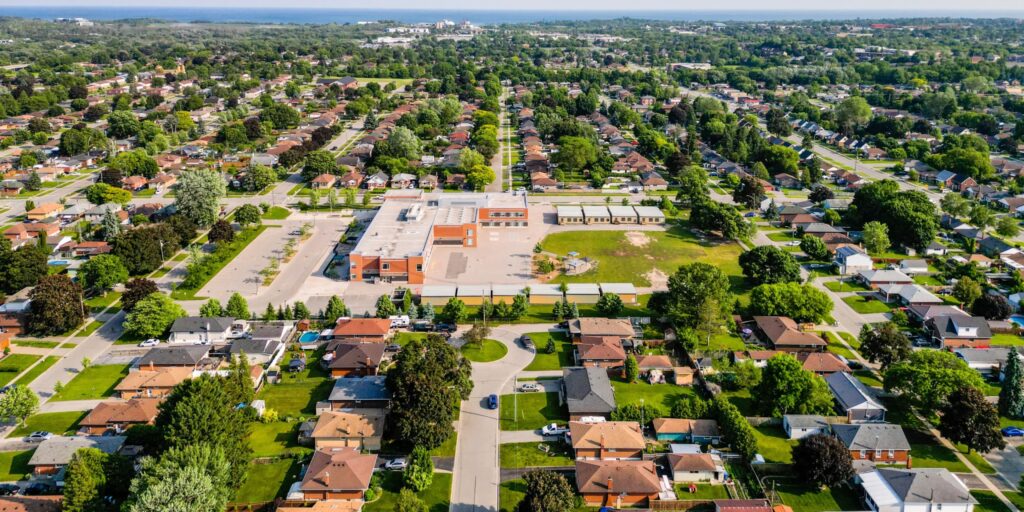
Oshawa is Durham’s largest municipality by population, with more than 175,000 residents recorded in the 2021 Census. This year, the city is also facing one of the region’s most crowded mayoral contests.
Current Mayor Dan Carter is not seeking re-election, leaving the mayor’s office open for the first time since he was elected in 2018.
The certified candidates are Sherland Chhangur, Michael Coons, Derek Giberson, Jeremy Large, Jim Lee, Tito-Dante Marimpietri and Henry Onwuachu.
With seven candidates, there is no official basis for declaring a frontrunner. There is also no official municipal polling establishing a current leader, so the race is best understood as an open contest rather than one with a settled favourite.
Several candidates have nevertheless begun drawing clear lines around the issues they want to emphasize.
Tito-Dante Marimpietri, a current Oshawa councillor, entered the race early and has positioned himself as a candidate with municipal-government experience. Derek Giberson, another candidate with council experience, has emphasized what he describes as the need for change at City Hall, pointing to municipal finances, infrastructure and affordable housing as areas requiring attention.
Jim Lee, a former Oshawa councillor and longtime firefighter, has focused heavily on downtown Oshawa, homelessness, public safety and affordability. His campaign’s message is centred around bringing Oshawa back toward what he views as a stronger and safer future.
Henry Onwuachu has published one of the more detailed platforms in the race. His campaign emphasizes economic development, responsible spending, housing and growth, infrastructure and transportation, safer neighbourhoods, and greater accountability at City Hall. His campaign describes its approach as “practical leadership” and “accountable government.”
The big question for Oshawa is therefore not simply who replaces Carter. It is what kind of direction voters want from the next mayor.
Whitby: An Incumbent Defending the Mayor’s Chair
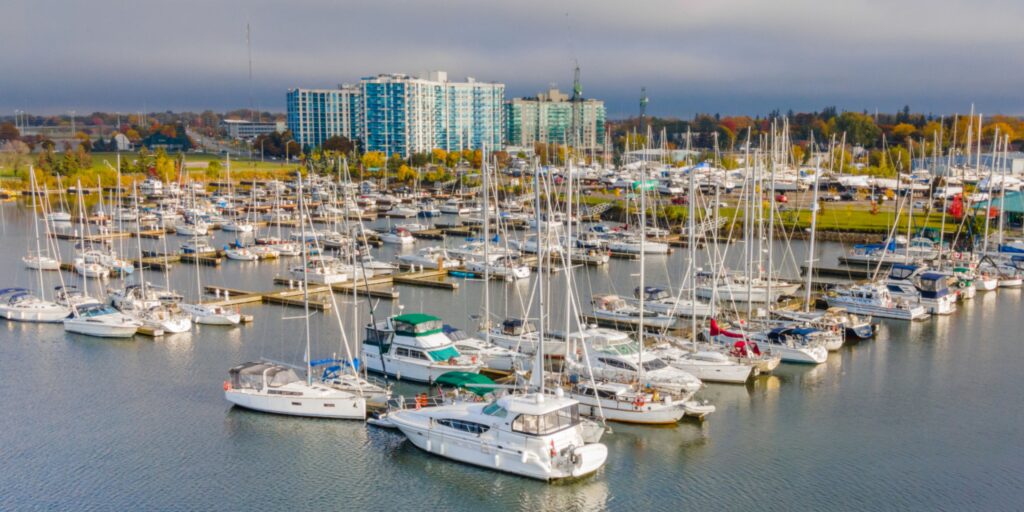
Whitby has the second-largest population among Durham’s municipalities, with about 138,500 residents recorded in the 2021 Census.
The mayoral race features incumbent Elizabeth Roy, Regional Councillor Chris Leahy and Harshini Rajmohan.
Roy was elected mayor in 2022 after serving in municipal and school-board politics for decades. Her campaign emphasizes her experience and record in municipal government, with her campaign describing her as a leader focused on Whitby’s continued growth and long-term prosperity.
Growth is one of the major themes surrounding Whitby’s political conversation. The town has been dealing with questions around housing, transportation, infrastructure and development as its population expands.
Recently, Whitby Council approved incentives intended to encourage a hotel and conference centre and increase purpose-built rental housing. The measures include development-charge discounts of up to 50 per cent for qualifying projects.
Whitby is also discussing the future of the area surrounding Whitby GO Station, including a proposed Transit-Oriented Community.
For Roy, the election provides an opportunity to continue the direction of the current administration. For challengers Leahy and Rajmohan, the campaign provides an opportunity to present different approaches to Whitby’s future.
At this point, however, there is no official polling that establishes one candidate as the clear leader.
Ajax: Five Candidates, Five Different Paths
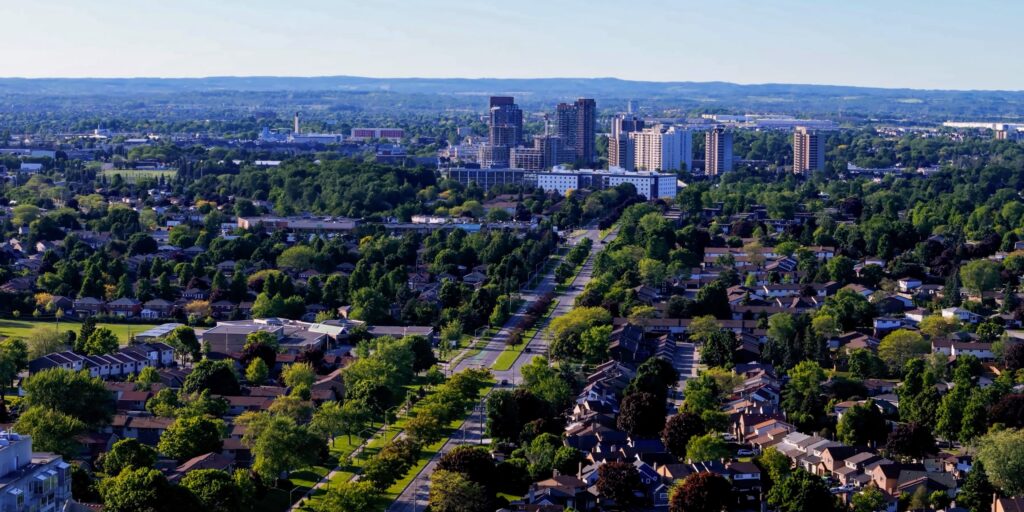
Ajax’s mayoral race is also wide open.
The certified candidates are Marilyn Crawford, Carion Fenn, Richard Hinds, Ashmeed Khan and Vian Persad. A sixth candidate, Sajid Raza Rehman, withdrew and is therefore not part of the active race.
One of the more experienced candidates is Marilyn Crawford, who has served in municipal and regional politics and is campaigning on responsible spending, taxpayer affordability, community safety and continued growth. Her platform proposes measures including longer-term financial planning, public consultation around budgets and greater attention to the property-tax implications of council decisions.
Richard Hinds is also making affordability a major campaign theme. His platform calls for lower property taxes, a freeze on certain discretionary municipal fees, affordable transit, action on homelessness and increased youth opportunities.
Ashmeed Khan, a former Ajax councillor and longtime local business owner, is campaigning on what he calls practical leadership. His priorities include limiting property-tax increases, improving transit and traffic, safer streets, employment, homelessness, healthcare advocacy and protecting green space.
That gives Ajax voters several recurring themes to compare: taxes, affordability, municipal services, growth, transportation and community safety.
The interesting part is that these issues aren’t abstract. They connect directly to everyday municipal life: the condition of roads, the cost of living in the community, transit options, development decisions and the services residents receive.
Pickering: Six Candidates Competing to Lead a Growing City
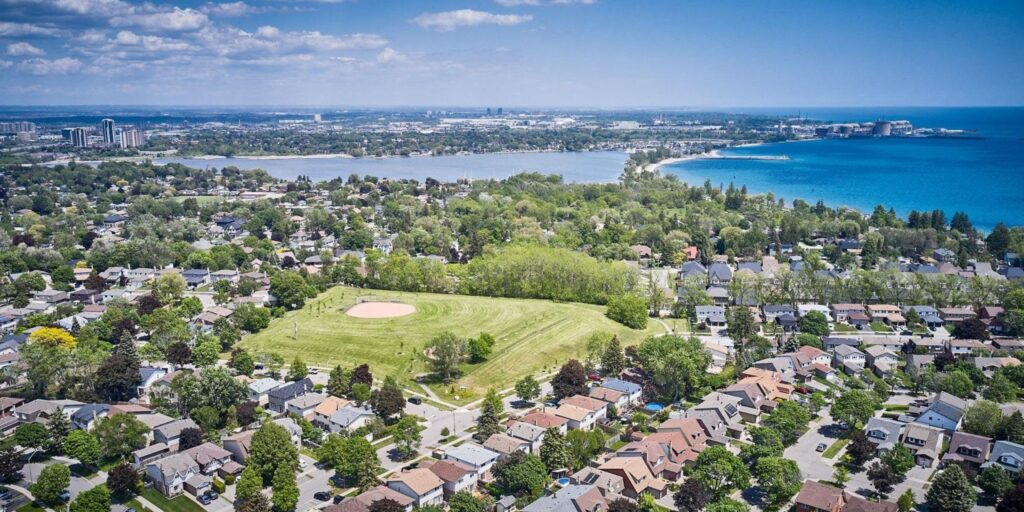
Pickering’s mayoral contest includes Kevin Ashe, Doug Cornell, Janice Frampton, Zargham Rasool, Shaun Rickard, Lisa Robinson and Andrea Wood.
Kevin Ashe is the incumbent mayor and is seeking another term. His administration has emphasized economic development, employment opportunities, infrastructure, housing supply and creating a more connected and sustainable Pickering.
But several challengers are offering different approaches.
Shaun Rickard has built his campaign around fiscal responsibility, development, environmental protection and greater accountability. His platform calls for reviewing the Northeast Pickering expansion, protecting waterfront and green spaces, and conducting an independent audit of city spending.
The Pickering race also includes Lisa Robinson, who currently serves as a Pickering city councillor, alongside Doug Cornell, Janice Frampton, Zargham Rasool and Andrea Wood. All seven names have been certified by the City.
That makes Pickering another race where voters are choosing between an incumbent seeking to continue his direction and several challengers proposing their own visions.
Among the major issues likely to shape the conversation are growth, development, infrastructure, housing, taxation, employment and Pickering’s waterfront and green spaces.
Clarington: A Rematch of Familiar Names
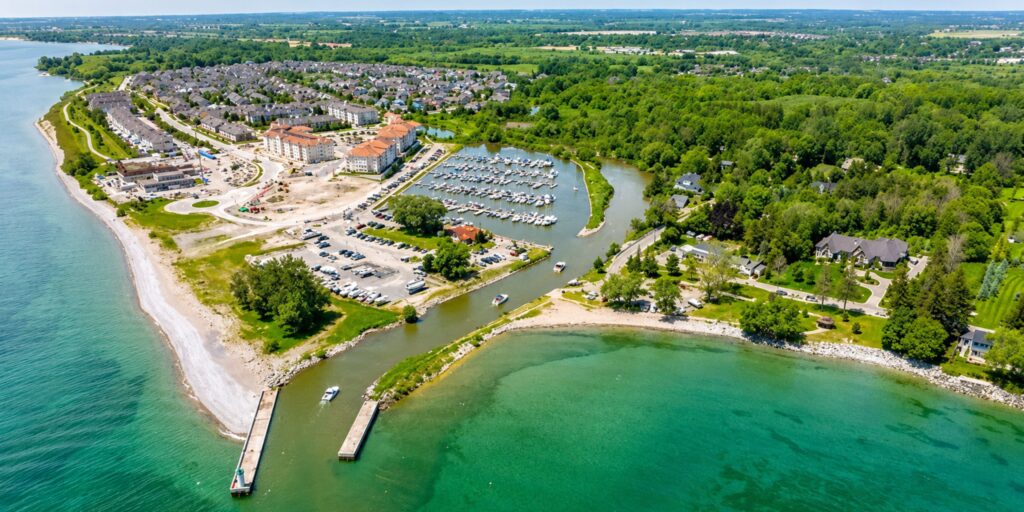
Clarington’s mayoral race is considerably smaller, with two candidates: incumbent Adrian Foster and challenger Tom Dingwall.
The two are familiar names in Clarington politics. Foster won the 2022 mayoral election, while Dingwall previously ran for mayor and is now challenging Foster again.
With only two candidates, this race offers voters a straightforward choice between continuing the current administration and changing direction.
Clarington is also experiencing significant growth. The municipality had a population of about 101,400 in the 2021 Census, representing a 10.2 per cent increase from 2016.
That growth brings familiar municipal questions: housing, infrastructure, transportation, development, services and the balance between growth and the municipality’s existing communities.
Unlike Oshawa, Ajax and Pickering, Clarington does not have a large field of mayoral candidates. The October vote will ultimately answer a much simpler question: Do residents want another term of Foster’s leadership, or do they want Dingwall to take the municipality in a different direction?
Scugog: Six Candidates and a Competitive Rural Race
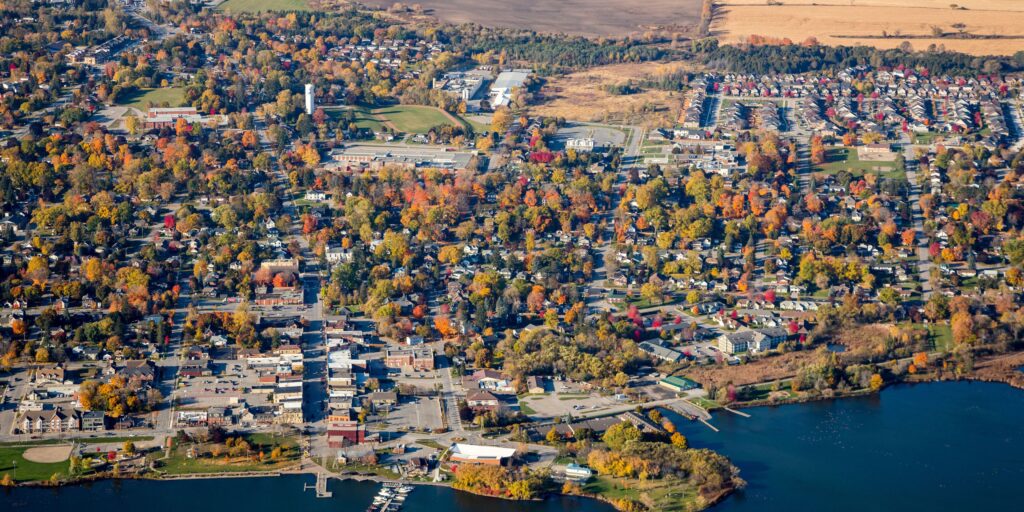
Scugog has one of the region’s larger mayoral fields relative to its population.
The six certified candidates are incumbent Wilma Wotten, Mike Coll, Ian McDougall, David Whitfield, Charles Deane and Jack Doak.
Wotten is seeking re-election, while Ian McDougall, currently Scugog’s Regional Councillor, is also seeking the mayor’s office.
Mike Coll has published a detailed platform focused on financial responsibility, infrastructure, affordability, safety and government transparency. His proposals include longer-term financial planning, road-renewal efforts and a proposed 0 per cent municipal tax increase in 2027.
Scugog’s campaign conversation also reflects the realities of a more rural municipality. Roads, infrastructure, local services, affordability, community safety and maintaining the character of the township are central questions.
With six candidates, there is again no official basis for saying that one person is currently ahead. The race is simply wide open as voters begin paying closer attention.
Uxbridge: Three Candidates, One Incumbent
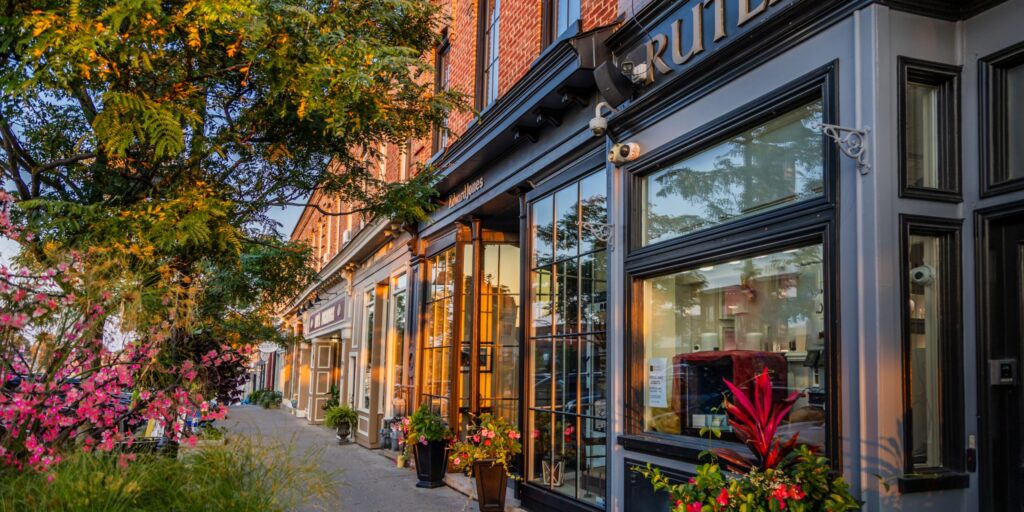
Uxbridge’s mayoral race has three certified candidates: incumbent Dave Barton, Ian Giffin and Ted Eng.
Barton is seeking another term and is campaigning heavily on his administration’s record. His campaign points to more than $400 million secured for a new healthcare campus, major road investments, protected land, downtown revitalization and new recreation facilities as examples of what it says has been accomplished during his tenure.
Giffin, meanwhile, has released an eight-part platform focused on infrastructure, affordability, economic development, community life, accountability, transportation, fiscal responsibility and communication.
His platform specifically identifies road and intersection improvements, housing, downtown revitalization, Dial-A-Ride service and taxpayer value as priorities.
Ted Eng rounds out the three-person contest.
For Uxbridge voters, the race is therefore shaping up around a familiar municipal-election question: continue the current direction or choose a different approach?
Brock: A Two-Person Race
Brock has the smallest mayoral field among Durham’s eight municipalities, with Michael Jubb and Brenda Thyne competing for the position.
Unlike several of the larger municipalities, Brock’s race does not feature an incumbent mayor seeking re-election. That makes this an open contest for the township’s next mayor.
Because the field is limited to two candidates, voters will have a relatively direct choice when they head to the polls.
The major issues in a township such as Brock can look different from those in Durham’s larger urban municipalities, with rural infrastructure, roads, community services, development and the relationship between Brock’s communities likely to be important considerations.
At present, the official candidate list establishes who is running, but there is not enough reliable public polling to establish a clear leader.
Eight Municipalities. One Election Day.
Across Durham Region, the 2026 mayoral races are remarkably different.
Oshawa has a seven-person contest for an open mayor’s office.
Whitby has an incumbent defending the position against two challengers.
Ajax has five active candidates competing around issues such as affordability, services and growth.
Pickering has seven candidates, including an incumbent and several challengers offering different approaches to development and fiscal management.
Clarington has a two-person rematch.
Scugog has six candidates competing for its top municipal office.
Uxbridge has three candidates, including its incumbent mayor.
And Brock has two candidates competing for an open seat.
One thing connects all eight races: municipal government is where a lot of everyday decisions actually happen. Roads, transit, development approvals, recreation, local infrastructure, community facilities and municipal taxes are not decisions made at Queen’s Park or Parliament Hill. They are decisions made much closer to home.
That makes October 26 more than just another date on the political calendar.
For Durham residents, it’s a chance to decide what they want their own communities to look like over the next four years.
And with just over seven weeks to go, the mayoral races are officially entering the home stretch.